Battery Reconditioning Guides: What to Check Before Trying a DIY Method

Sponsored editorial
Battery Reconditioning Guides: What to Check Before Trying a DIY Method
A neutral overview of battery-care programs, product claims, safety considerations, and responsible options for handling used batteries.
Review the provider’s information →
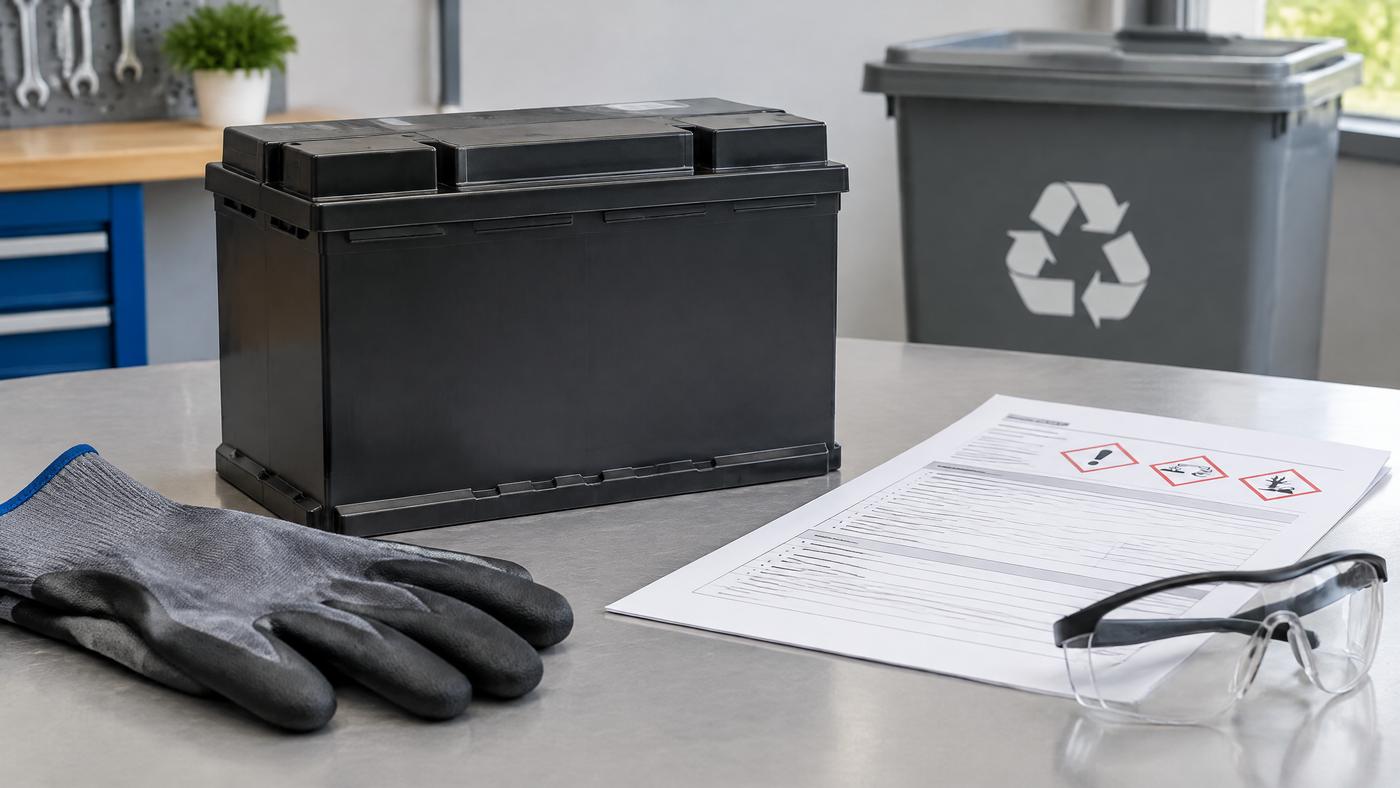
“Battery reconditioning” can refer to very different products and methods. Battery chemistry, age, damage, storage history, design, and intended use all matter. A guide cannot guarantee that a battery is safe, recoverable, or suitable for continued use.
Questions to ask before trying a DIY battery program
Before purchasing or following any battery-related instructions, identify the battery type and read the manufacturer’s warnings. Lead-acid, lithium-ion, nickel-based, and other chemistries have different hazards and handling requirements. A method that is inappropriate for one type may damage it or create a safety risk.
- Does the guide clearly identify which battery chemistries and models it covers?
- Does it explain when a battery must be removed from service rather than tested or reused?
- Are ventilation, protective equipment, charging, storage, and disposal addressed?
- Does it avoid promising savings, profit, or a universal restoration result?
- Does it direct readers to manufacturer instructions or qualified technicians where appropriate?
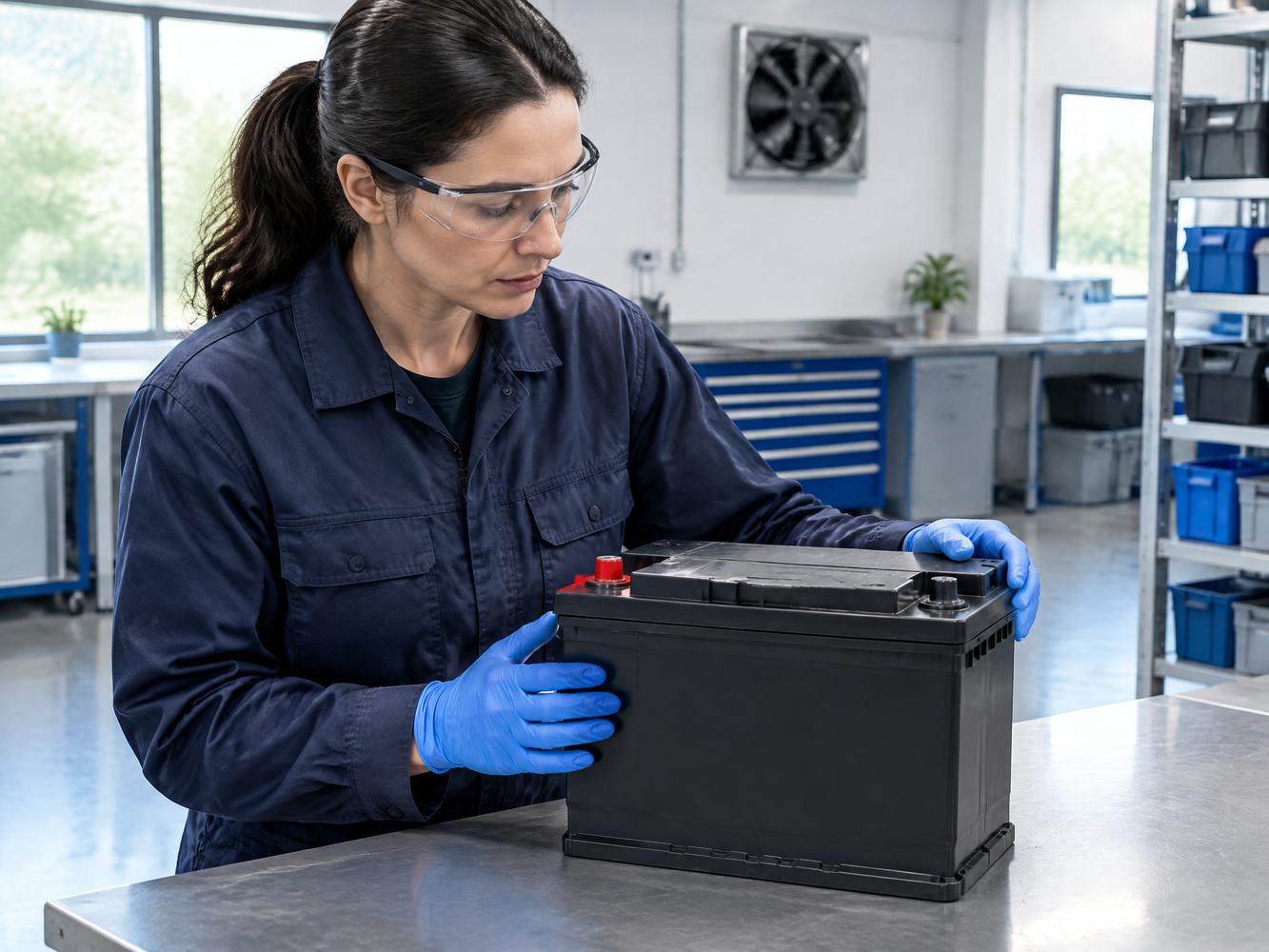
Why battery work deserves caution
Some batteries can expose people to corrosive chemicals, toxic materials, stored electrical energy, heat, sparks, fire, or explosion. Damaged or swollen lithium batteries can be particularly hazardous. Never puncture, open, crush, short-circuit, heat, or charge a damaged battery, and do not work near flammable materials.
Read the provider’s description →
What the linked program says it covers
The provider page describes a digital course called EZ Battery Reconditioning and says it contains step-by-step guides with pictures and diagrams. It also presents claims about reconditioning various old batteries, reducing purchases, and reselling batteries.
Those descriptions and claims are supplied by the provider and have not been independently verified by Blaze Blogger. The provider’s testimonials, user counts, savings statements, profit implications, and “effective” language should not be treated as typical results or safety evidence.
Safer ways to evaluate the offer
Review the provider’s current terms, refund policy, product scope, and safety information. Check whether the course provides chemistry-specific warnings and whether its claims are supported by credible, independent technical sources. Do not rely on testimonials as evidence that a method will work for your battery.
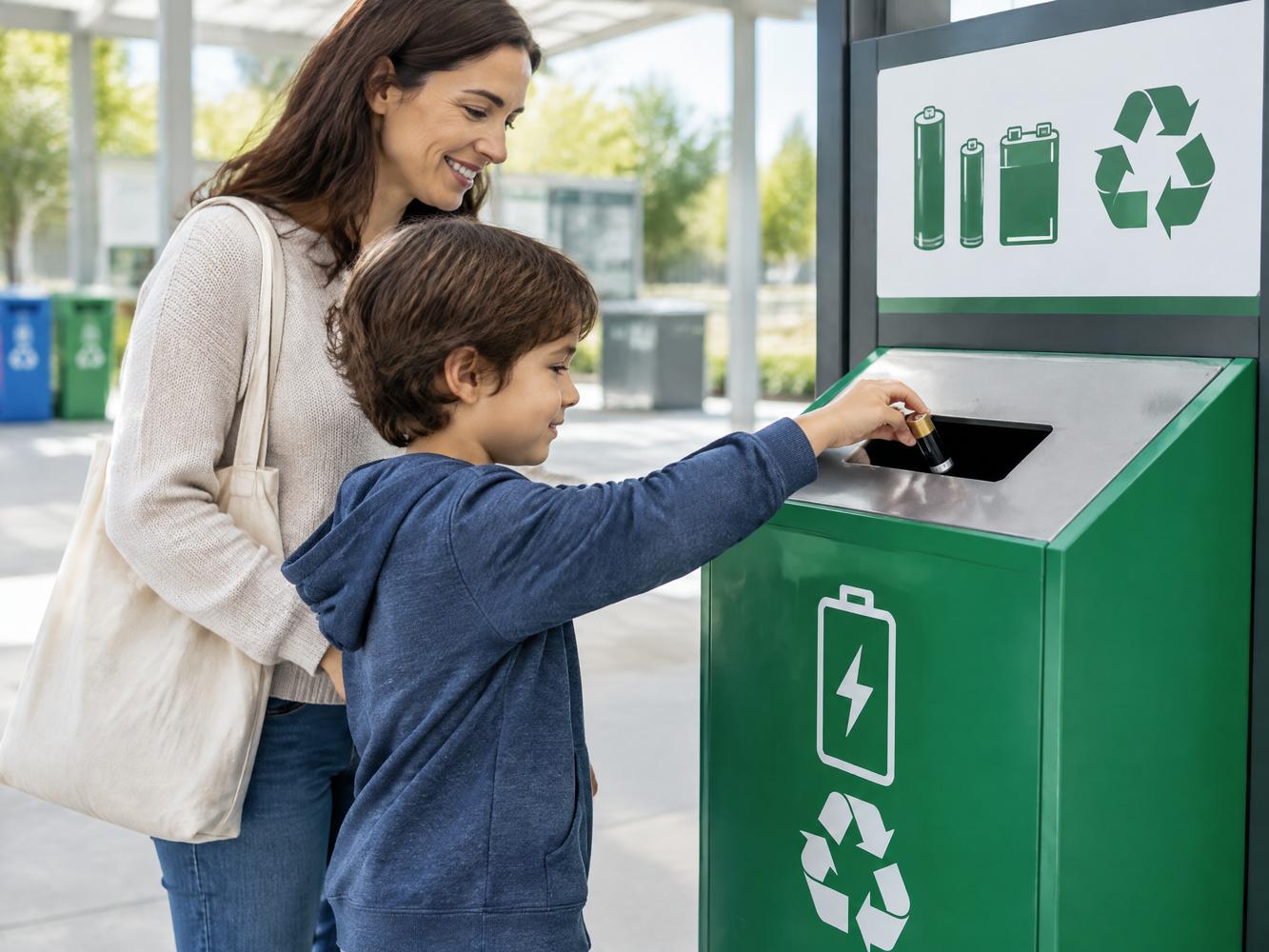
For vehicle, industrial, medical, high-capacity, or lithium battery systems, consider a qualified technician. For household batteries, use local recycling guidance rather than placing rechargeable or damaged batteries in ordinary trash.
This article is general educational and promotional information. It is not electrical, chemical, engineering, financial, legal, or technical advice. No savings, restored capacity, resale income, safety outcome, or other result is promised.
Want to review the full provider description?
Visit the separate provider page to review its current materials, scope, terms, safety information, refund policy, and claims for yourself.
Affiliate and promotional disclosure: Blaze Blogger may earn a commission from qualifying visits or purchases made through links on this editorial. Blaze Blogger and the provider are separate entities.
Safety disclaimer: Battery handling can involve chemical, electrical, fire, explosion, and toxic-material risks. This page does not provide repair instructions or professional safety advice. Follow manufacturer guidance and consult qualified professionals or approved recycling services.
No guarantees: This page does not promise restored capacity, cost savings, income, profit, battery life, or any other outcome. Individual batteries and circumstances vary.
Provider-content notice: Product descriptions, testimonials, user counts, savings claims, and performance statements on the separate provider page are supplied by that provider and are not independently verified by Blaze Blogger.